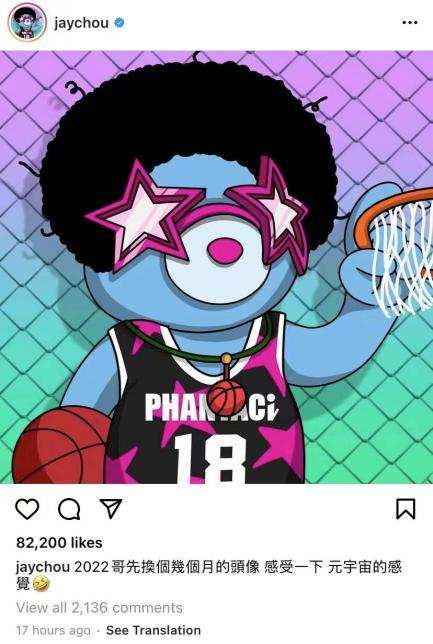
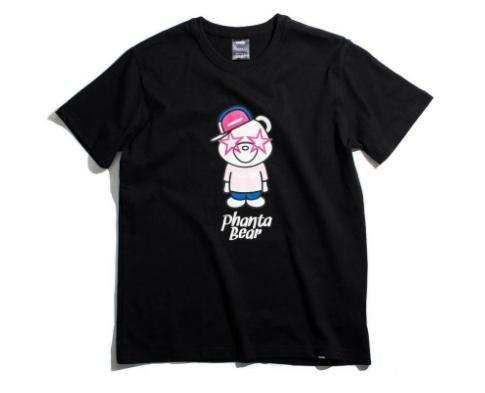
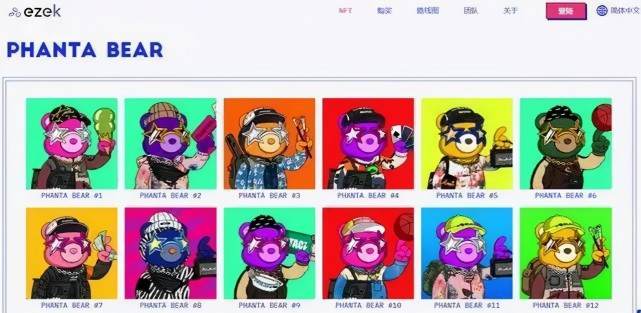
仔细甄别其实可以发现,此次发行NFT的并非周杰伦本人。据多家媒体报道,此次的幻象熊NFT项目是元宇宙平台Ezek联合周杰伦潮牌PHANTACi发售,换句话说发行主体是Ezek。这个Ezek自我介绍道是“潮流艺术娱乐体验平台”,由一个名为Starvision Entertainment Ltd.(S.E.L)的公司建立。据《新晚报》,S.E.L创始人为周杰伦好友刘畊宏;但也有文章显示,S.E.L创始人为Will L(刘畊宏)和另一名为Mark G的个人。
Led by the former game director of Magic The Gathering: Arena, Gods Unchained is a free-to-play trading card game built on Ethereum. Designed for both casual and competitive play, players must strategically outsmart their opponents, earn cards and build decks to combat a wide variety of tactics. Unlike other games, players completely own their digital assets, giving them the freedom to trade, sell and use their cards any way they like – just like owning a real, tangible card.
This week, we sat down with the Gods Unchained team to learn more about what they are building, the GODS token, and recent traction. Let’s dive in.
1. To begin, what is Gods Unchained and how does it utilize the blockchain?
Gods Unchained is a free-to-play trading card game where players compete in epic duels using fantasy cards. The game is built to fundamentally change how games work; using Ethereum technology to bring true digital ownership to players, as well as provide the means to earn items that actually matter. Gods Unchained provides real ownership over in-game items by turning them into ERC-721 tokens/NFTs. Players gain the right to sell their items for real money, use them in Gods Unchained, and even embed them in third-party games and tools. This separates Gods Unchained from what’s offered in mainstream games.
2. Can you describe your target player(s)? What type of players and use cases are best suited to leverage Gods Unchained’s economy and ecosystem?
Gods Unchained reaches a global gaming audience. By combining triple-A gameplay with leading edge blockchain technology, our vision is to carve a new path for trading card games and gaming as a whole. This means we will be appealing to all types of users, including but not limited to:
Traditional trading card gamers
Play to earn gamers
Digital TCG gamers
Collectors
General online gamers
Influencers
Creators
The trading card game (TCG) genre is a billion dollar industry ripe for disruption. The annual revenue of the digital trading card games market was $1.3 billion in 2017, and has only grown since then. Gods Unchained is set up and positioned to be this disrupting force.
3. Competition in the blockchain gaming space is heating up, with projects fighting for players. Who are Gods Unchained’s competitors and what differentiates Gods Unchained from these games?
At Gods Unchained, we don’t like to view other blockchain gaming projects as ‘competitors’ per se. There’s a larger movement going on here, with the entire industry working towards shifting the current paradigm experienced by gamers, whereby they don’t gain any inherent value from time spent playing. What we believe will help us achieve this overarching mission is as follows:
Exciting gameplay: Helmed by Chris Clay, former game director of Magic: The Gathering Arena, Gods Unchained provides a dynamic and competitive experience with a strong focus on strategy. We have tens of thousands of players simply playing the game because it’s a fun game with great gameplay and mechanism that rivals similar mainstream titles.
True digital ownership: Gods Unchained provides real ownership over in-game items by turning them into ERC-721 tokens/NFTs. Players gain the right to sell their items for real money, use them in Gods Unchained, and even embed them in third-party games and tools. This separates Gods Unchained from what’s offered in mainstream games.
Play to Earn: To catalyze competitive play and stimulate engagement, players can earn meaningful currencies and items, including the ERC-20 $GODS token, by simply playing the game. The ability to earn tangible rewards serves as the key ingredient to supercharge our future growth.
An epic game economy: $GODS tokens are designed to exist at the heart of the economy, being used by players to purchase new card packs and chests, craft their own NFT cards, and earn staking rewards. By including $GODS in the key facets of the Gods Unchained experience, it creates a sustainable ecosystem where players have the economic freedom to earn from, and contribute to the economy.
Built to scale on Ethereum: Our integration with Immutable X allows for gas-free NFT minting and trading at scale with instant trade confirmation. This creates a massively improved user experience and enables the high volume trading of low cost assets, a key feature of Gods Unchained.
5. What is the inherent value and use case for Gods Unchained’s native token, GODS?
$GODS tokens are ERC-20 tokens designed to become the core in-game currency for Gods Unchained. Similar to existing in-game currencies, $GODS tokens will be rewarded to users through play, however unlike existing currencies $GODS will be scarce and tradeable.
The four main use cases of the $GODS token:
Crafting new NFTs that are playable and tradable: Players are able to use $GODS tokens to craft new trading card NFTs that can be used in-game or traded on the marketplace.
Staking: Staking rewards will be distributed to all users who qualify as active stakers. These rewards will be distributed from the Staking Rewards Pool, which consists of GODS tokens captured in the Gods Unchained store, the marketplace, and the Forge (The system where players craft new NFTs) .
Purchasing Gods Unchained items: The GODS token can be used as partial payment for all purchases made in the Gods Unchained Store as well as for the marketplace fee. If the user opts not to use GODS for a payment or doesn’t have enough tokens to cover the fee, the 20% fee will automatically be swapped on the open market.
Governance: Holding GODS enables users to participate in governance voting that relate to general Gods Unchained ecosystem development.
6. How will Immutable X enhance the player experience in Gods Unchained? How will it benefit the token-powered economy of the game?
As touched on before, Immutable X empowers Gods Unchained users to participate in gas-free minting and trading at scale, with instant trade confirmation. Since migrating the Gods Unchained to Immutable X in late June 2021, over 744,000 secondary NFT trades have been made between the community members, completely gas fee.
This creates a massively improved user experience, where any and all users can benefit from high volume trading of low cost assets, an option not possible before Immutable X’s solution was readily available. To go mainstream, we need to remove as many possible hurdles into the blockchain environment as possible, and Immutable X’s gas-free transactions help us achieve this goal.
7. Many crypto games have taken off thanks to their play to earn mechanics. How did your team go about creating your play to earn design and what user behavior are you trying to encourage?
With the introduction of the $GODS token, our teams are super excited about the future of play-to-earn for Gods Unchained.
As we are designing our upcoming play-to-earn system where players are able to earn $GODS from gameplay, there are a couple of key challenges that we are designing our system around:
Remain free to play: This is important to us as we believe that everyone regardless of who they are should be able to play our game and we know that many players are now playing Gods Unchained simply because they find the game super fun! Beyond this, we also are looking for ways to allow our free to play players to participate in our play to earn system.
Sustainability: Creating a sustainable play to earn game economy is challenging and there are important considerations to get it right. For us it is imperative that Gods Unchained provides a fun and engaging experience to players. It must never turn into a mindless click-frenzy game where players are performing a routine just to earn money. Our aim is to make a game that lasts for decades. Therefore we’re designing with a diverse audience in mind: Play to earn grinders, players who play for pure fun and players who value competitive gameplay. Our goal is for the ecosystem to capture enough value and equitably distribute it among all types of players so that the economy remains balanced.
Competitive gameplay: As we scale our play to earn system, we will continue to introduce additional ways for players to earn $GODS. This includes seasoning rank reward and potentially having regular global tournaments where players are competing against each other for a large prize pool.
8. How do traditional TCGs in game economies differ from blockchain/NFT based in game economies? How do you make sure that the in game market runs freely while keeping the game affordable to play?
In traditional card-in-hand TCG in-game economies, players are constrained by things like geographical location and accessibility. In digital TCG in-game economies, players have no way to earn value from their time spent playing, as they’re essentially just being granted permission to use the cards in-game by the game’s company. At any point, digital TCGs could revoke a user’s access to their cards, which is where the importance of the blockchain enabling true ownership comes in. Add on top of that that this lack of ownership means no digital TCG player can truly own their cards, and therefore can’t go on to sell these to earn value.
In regards to Gods Unchained, we’ve focused on creating an in-game economy that is accessible to everyone. Through simply playing the game for free, a user will be able to earn $GODS, fuse NFTs and extract monetary value. This puts the power in their hands, choosing to go on to use that value to purchase additional cards, or trade with their peers. In terms of keeping things affordable, the price points of the marketplace are determined by the users. The accessibility of this is regulated by them, as it’s in their collective best interest to make the game and its assets accessible to as many people as possible. The larger the community, the greater everyone’s success.
9. What blockchain gaming trends are you most excited about for the rest of 2021?
We’re particularly excited about what we’re seeing in regards to scholarship programs that are run by different play-to-earn communities and looking forward to exploring different ways that we can introduce a similar system to Gods Unchained in the future.
A “Scholarship” program is when an individual that owns multiple in-game NFTs (manager) allows a free-to-play player (scholar) to access their in-game NFTs. This allows Scholar to have access to a wide variety of in-game NFT which they can use in-game to earn tokens. The incentive for the manager is that they will be able to take a cut of the token earned by the scholar.
We are very excited about this, as it creates a whole new way for players to be involved in the ecosystem for Gods Unchained. There are folks in Gods Unchained with thousands of Gods Unchained NFTs, with a scholarship program, an additional utility is introduced to the NFTs and it gives our community a stronger reason to continue to build out their collection of NFTs, whilst giving our free-to-play folks a new way to access our future play-to-earn system with a variety of NFT decks to choose from.
10. What is the best way for the community to get involved with Gods Unchained?
Note: Coinbase Wallet does not support direct bank transactions. You’ll need to transfer your crypto to Coinbase.com or send it to an external address in order to cash out.
Note: Only assets hosted on the Ethereum blockchain can be converted through the Coinbase Wallet mobile app at this time. Learn more about trading on Coinbase Wallet.
What are the minimum and maximum withdrawal amounts?
Coinbase has implemented safeguards to ensure a healthy and efficient network both on-chain and through our platform.
These safeguards include both minimum and maximum amounts for each cryptocurrency we allow customers to send through the blockchain. These amounts vary by asset and are subject to change.
Previously known as Fuel Games, Immutable created Immutable X to serve as a scaling solution for the blockchain giant Ethereum.
Immutable’s co-founder, Robbie Ferguson, believes in the massive potential of NFTs, but their true power can only be tapped by making the minting process not only affordable but totally free for every digital asset creator.
What Is Immutable X?
Immutable X is the first layer 2 protocol in Ethereum that focuses on NFTs and features zero fees, instant trading, and a secure platform.
It is also an open-source protocol that provides users with an opportunity to create and develop their decentralized applications, including marketplaces and games. In addition, Immutable X boasts 600x more TPS or transaction per second than any other Ethereum-based NFT marketplaces, which means that both users and gamers wouldn’t experience any interference within the platform.
Immutable X Exchange
Immutable X Exchange is the platform’s very own marketplace, even though it was named as an “exchange.”
It is a peer-to-peer platform that offers zero gas fees and 9,000 TPS speed, which is essential for gamers as every second counts, literally, in their gameplays because little delays or interference can cause major negative outcomes in their quests and game standings.
The Exchange is valuable, not only for gamers but also for artists and traders as well, as it allows them to execute non-custodial trades. The beauty of these features is that it provides users with more power because it retains users’ ownership of their NFTs’ private keys.
Moreover, the marketplace supports ERC-721 and ERC-1155, giving users an expanded choice and flexibility in managing their NFT assets.
Immutable X Mint
Immutable X equips users with the capability for the creation and large-scale distribution of NFTs, and whether users mint a single or bulk item, the platform can execute all minting processes free from any charge.
Also, NFTs that have been minted on Immutable X are immediately available to trade on the open market while maintaining the security provided by Ethereum.
Immutable X Link
Immutable X link serves as the user’s connection between their Immutable X key on the L2 exchange and their private key on the main blockchain of Ethereum.
It has the same functions as the Ethereum wallet manager as it can also execute the same authentication and authorization functions inside the exchange. And after everything has been verified, they will then be transferred to the main blockchain.
Scalability and Security
While scalability has always been technologically possible with blockchains, one major problem it creates is decreasing decentralization, therefore, compromising security.
To deal with this problem, Immutable X and Starkware, a software that uses zero-knowledge with cryptographic proofs, have collaborated to increase the blockchain’s privacy and scalability.
The Immutable X platform can seamlessly execute high-quantity batching of trades off-chain with users signing for the speedy process and all these transactions will then be put on-chain in a single proof that “squeezes” those trades into one transaction at a fixed gas cost.
Gas fees exist, but Immutable X pays for these fees, making the process virtually free for users.
Validity-Based Proof
Using validity-based proof means that users’ assets cannot be traded without their authorization, in other words, their virtual items can never be taken from them and this is the same security measure that Ethereum mainnet deploys for its platform.
ZK Rollups: Immutable X’s Sidechain
ZK Rollup is a Layer 2 option that bundles hundreds of transactions into one, which will then be separated by smart contracts to verify each transaction.
Its advanced method significantly lowers the storage and computational demand in validating blocks, providing cost-efficiency and greener execution for blockchain transactions.
It also uses a zero-knowledge proof method for publicly recording transactions on Ethereum and allows almost limitless scalability and quick transactions without giving up any aspects of its security.
IMX Token
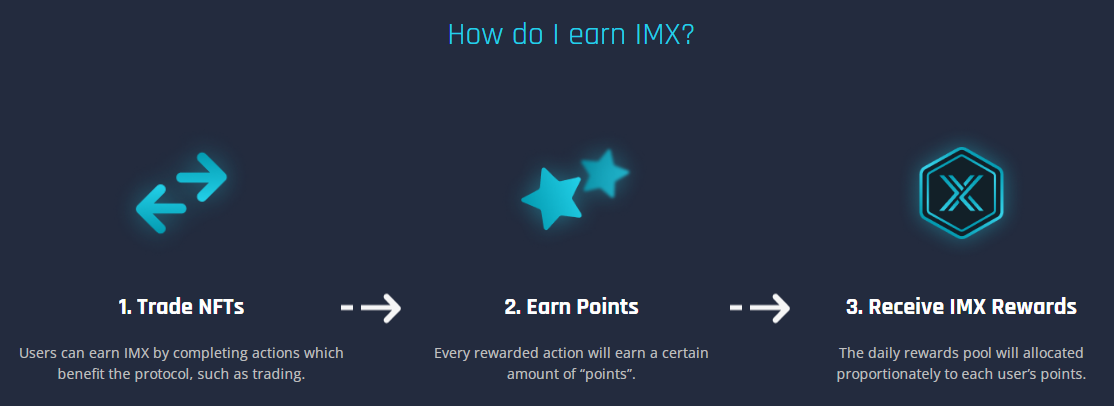
IMX is Immutable X’s native utility token, an ERC-20 token specifically created to help increase the platform’s growth by providing rewards such as trading transactions and protocol adoption. These incentives are reserved for community members who are helping Immutable X become a scalable NFT ecosystem for Ethereum.
The token, which has 2 billion supplies, provides platform users with the power to vote on the future path of Immutable X. But one important thing to highlight here is that the platform is not a decentralized autonomous organization, or DAO, which means that in the end, the final decision about Immutable X’s direction will still depend on the team.
Also, its token is not issued by Immutable X itself but by an independent Token Foundation, which means that the team would not have the privilege to acquire part of the token distribution.
The platform will soon release a staking reward pool, which would allow users to have an additional income stream by staking their IMX tokens.
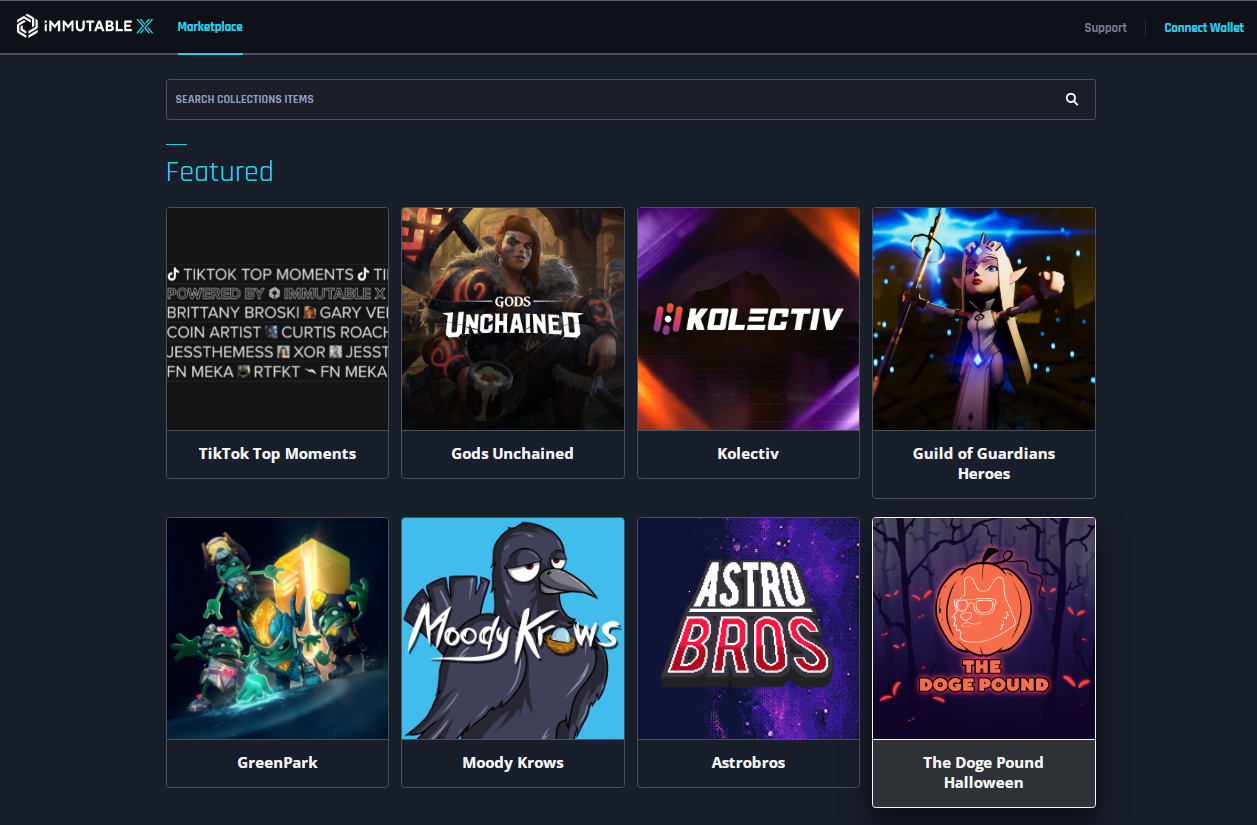
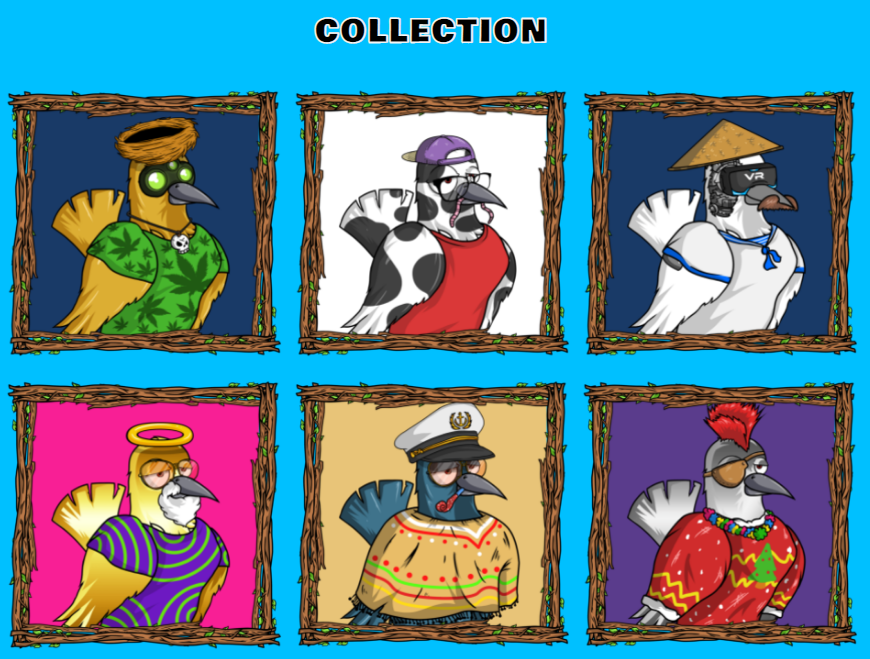
Moody Krows is a collection of 10,000 images of randomly generated eye-candy crows that features creative outfits and aesthetic elements that describe their personality. It is also the first PFP collectible in Immutable X, which means that it allows buyers to use their regular MetaMask and ETH with zero gas fees.
It will soon launch its “Krowmunity Wallet” which is designed to reinvest sales back into its platform to ensure longevity and continued benefits for every community member.
The collection also has what it calls “Moody Pebbles,” which are rare collectibles with varying rarities and can be acquired by purchasing a Moody Krow NFT crow. The crows will then have to scavenge these pebbles inside their own metaverse, but NFT owners can passively get a pebble through drops.
Landloot is the first-ever project Launchpad on Immutable X, and all members will have the opportunity to vote for the projects they like to be launched on the platform, and in its mechanism, 1 NFT is equal to 1 vote.
Aside from voting, members can also use their NFTs to help their favorite projects in other ways, which, in turn, would provide them with exciting rewards.
Landloot will leverage Immutable X’s marketing channel and software technology to aid third parties in launching projects on the platform.
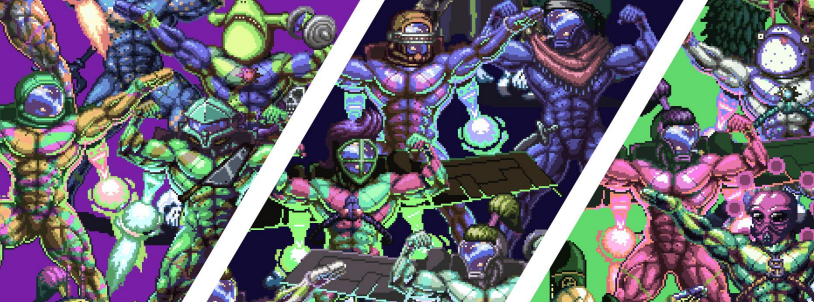
AstroBros is a collection of 10,000 space-themed muscled characters, and each possesses a unique combination of poses, backgrounds, accessories, and items, making each of them truly valuable.
Just like the previously mentioned NFT collections, AstroBros also takes advantage of Immutable X’s capability to offer zero gas fees, and with this perk, collectors would certainly be encouraged to purchase more characters.
One of the long-term plans of AstroBros is to increase its NFTs’ use cases, marketplaces where the muscled space-farers can be resold, and networks where it could operate.
Which products support IMX?
Send/Receive
Trading
Coinbase
✔
✔
Pro
✔
✔
Wallet
✔
✖️
What regions support IMX?
US
NY
CAN
EU
UK
DE
SG
JP
Coinbase
✔
✖️
✔
✔
✔
✖️
✖️
✖️
Pro
✔
✖️
✔
✔
✔
✖️
✖️
✖️
Wallet
✔
✔
✔
✔
✔
✔
✔
✖️
Crypto to fiat trading pairs
US
UK
EU
USD
✔
✖️
✖️
GBP
✖️
✖️
✖️
EUR
✖️
✖️
✖️
Note: Coinbase Wallet does not support direct bank transactions. You’ll need to transfer your crypto to Coinbase.com or send it to an external address in order to cash out.
Note: Only assets hosted on the Ethereum blockchain can be converted through the Coinbase Wallet mobile app at this time. Learn more about trading on Coinbase Wallet.
What are the minimum and maximum withdrawal amounts?
Coinbase has implemented safeguards to ensure a healthy and efficient network both on-chain and through our platform.
These safeguards include both minimum and maximum amounts for each cryptocurrency we allow customers to send through the blockchain. These amounts vary by asset and are subject to change.
The following is a note from our Chief Operating Officer Jon — at the launch of ShapeShift’s zero-commission trading strategy which leverages the FOX token.
Asthe world watched the ICO boom of 2017 and the proliferation of some interesting and many non-interesting tokens, many folks sat up and took notice. What people noticed the most were the huge price swings, the vast sums of money raised through these tokens long before anything was actually built, the proliferation of the words “token” and “blockchain” permeating throughout society, and a lot of warranted skepticism. Though, some of us, especially at ShapeShift, noticed something else. It wasn’t just the trading volumes, speculative price appreciation, and new fundraising model that was so interesting. What was far more interesting was what this Cambrian explosion of tokens made possible.
Since the birth of Bitcoin, the world has been watching a new asset class start to crawl and walk (we aren’t running just yet). Bitcoin grew from nothing to show the world that the mechanism behind how blockchain consensus works is pragmatically valuable and technically sound. What we thought was that a new type of money — and eventually a store of value — could exist electronically, powered entirely by sophisticated technology and the earned belief of its users. This exposed some of the magic underpinnings of how “money” and financial “value” works for many to see, who did not fully realize yet. But this wasn’t just a new type of money. It was a new asset class that broke many previously held definitions.
As Bitcoin continued to mature, we saw the token explosion of 2017. For those who were paying attention, this was the continuing evolution of that magic spark that bitcoin lit. The explosion exposed the further magic (not just the underpinnings) of what we call “money” and demonstrated that this technology could allow for the creation of a plethora of entirely new, category-breaking assets called “tokens”.
That token explosion of 2017 created a snowball, rolling downhill towards the creation of previously impossible asset types and entirely new business engagement models. We’ve only scratched the surface of what is possible; with each development, the snowball has grown a little larger. In the vast scale of things, it’s still pretty small. There’s much more ahead to explore as it tumbles forward and gains further mass.
At ShapeShift, we started exploring some of these concepts in our very early days. Since 2014 we’ve maintained our thesis and philosophy that there would be many different, interesting blockchain assets in addition to Bitcoin and the world needed an easy way to convert from one to another. This thesis drove us to create the original ShapeShift conversion service. In 2016 we started exploring the idea internally of a ShapeShift token that would allow us to further explore the crypto frontier in ways impossible pre-token. The momentum of 2017 was a validation of this thesis, despite the excesses and misguided projects that came and went.
We watched and we waited, and through many internal discussions our potential token took many forms, culminating in what we are distributing to the world for the first time today: FOX token.https://cdn.embedly.com/widgets/media.html?src=https%3A%2F%2Fwww.youtube.com%2Fembed%2FAnFkX6r32sY%3Ffeature%3Doembed&url=https%3A%2F%2Fwww.youtube.com%2Fwatch%3Fv%3DAnFkX6r32sY&image=https%3A%2F%2Fi.ytimg.com%2Fvi%2FAnFkX6r32sY%2Fhqdefault.jpg&key=a19fcc184b9711e1b4764040d3dc5c07&type=text%2Fhtml&schema=youtube
ShapeShift’s FOX Token
The FOX token is ShapeShift’s biggest leap into the frontier since the original creation of our service, though this will not be obvious immediately. We intend to push the limits of what is possible and what the world has come to understand regarding blockchain tokens. At its genesis, FOX will act in some ways like a loyalty token. Earn FOX by interacting with ShapeShift by actively trading (and other promotions over time). The more FOX accumulated the more benefits endowed to the users who hold them.
What is new, however, is the way tokens let us approach the concept of a loyalty-based program. In particular, the FOX token will be one of the world’s first loyalty tokens that is a perpetual asset. What we mean by that is that unlike the vast majority of utility tokens currently out there, FOX will not require you to consume or spend it in order to receive its value. You get value simply by holding the asset. Starting at launch, this value is $10 of zero-commission trading per FOX every 30 days, and every user who joins our platform starts with 100 free FOX. This is not some nominal promotional value, this is perpetual and important value that the FOX holder receives; the ability to continually trade for free every month. This value does not disappear after using it, free trading replenishes on a rolling 30 day basis simply by continuing to hold FOX. It will do so as long as you hold FOX or until you transfer it somewhere else outside of your ShapeShift Platform account.You Can Now Trade Crypto for Free with ShapeShiftShapeShift now offers zero-commission crypto trading.medium.com
The Perpetual Nature of FOX
We think this perpetual nature of FOX is one of the key pieces that allows us to push the token frontier forward and explore yet another category-breaking asset class, that the world hasn’t quite seen before. FOX as a digital perpetual asset is not just a loyalty program, it’s not just a membership, it’s not just an exchange token, it’s all of these things, none of these things, and it sets a basic foundation for customer engagement that will evolve alongside our company.
One of the magic pieces of tokens is that they can take on a life of their own. All of their utility and use cases are not just determined by the creator and issuer, but by the community that forms around them and directly engages with them. Imagine if your Amazon Prime membership was a token that you could sell off to another person when you no longer wanted it, or airline miles were far easier to transfer among a marketplace, or a Costco membership that didn’t need to be renewed every year — but had perpetual value if you acquired it and could be traded among your friends. These are the types of use cases and situations that the advent of perpetual tokens makes possible.
In some ways, the difference between consumable and perpetual assets can be thought of in the context of renting or buying an apartment. When you are renting, you get the use of the place as long as you pay for it every month. At the end of your lease, the apartment goes back to its owner and you don’t get any of your money back. If you buy an apartment instead, it’s yours and you get the benefit of living there. If you don’t want to live there anymore, you can sell it to someone else who wants to buy it (or even rent it to someone if you want to keep it). The apartment may have gone up or down in value, but it’s yours and you get some value back by selling it.
The majority of tokens that have been seen in the blockchain world allow for some new way to explore this rent concept, like buying a token to get lower exchange fees (but you pay upfront and then it’s gone). With FOX and the evolution of perpetual tokens, we allow for something much closer to really buying and owning something. When you own FOX, you truly own it and it does not need to be burned, consumed, or sacrificed to receive value from it.
Many current models can be changed or looked at differently though this perpetual lense and it can be a push away from “rent-seeking” behavior, towards more experimentation with “ownership-seeking” behavior. This use case can be extended to many places and a single asset can end up having many uses. The important facet is that a new frontier of interesting perpetual utility assets can be opened up and explored. Bitcoin planted this seed, and we are further exploring one little branch of it. Our intention is for the FOX token to further demonstrate what’s possible.
A Token Evolution
We envision a whole world and a plethora of new tokens with perpetual natures and varied use cases. We think FOX can be one of the first examples given to the world of a perpetual utility token that can represent these various use cases. It doesn’t require an ICO, or speculative fervor or anything like that to create value. Instead, its value comes from the attributes it can endow its user simply by holding it (almost like a magical sword in a video game where you can upgrade and stack the powers it gives you). In my view, this is a form of magic and a type of magic the world will find endlessly fascinating.
With the creation and distribution of the FOX token, we peel back and expose a little more of the underlying magic of tokenized value creation. Perhaps this concept will resonate in the minds of other entrepreneurs, creators, and communities, highlighting what is possible in the evolution of new digital assets and tokens.
Which products support FOX?
Send/Receive
Trading
Coinbase
✔
✔
Pro
✔
✔
Wallet
✔
✖️
What regions support FOX?
US
NY
CAN
EU
UK
DE
SG
JP
Coinbase
✖️
✖️
✖️
✖️
✖️
✖️
✖️
✖️
Pro
✔
✔
✔
✔
✔
✖️
✖️
✖️
Wallet
✔
✔
✔
✔
✔
✔
✔
✖️
Crypto to fiat trading pairs
US
UK
EU
USD
✔
✖️
✖️
GBP
✖️
✖️
✖️
EUR
✖️
✖️
✖️
Note: Coinbase Wallet does not support direct bank transactions. You’ll need to transfer your crypto to Coinbase.com or send it to an external address in order to cash out.
Note: Only assets hosted on the Ethereum blockchain can be converted through the Coinbase Wallet mobile app at this time. Learn more about trading on Coinbase Wallet.
What are the minimum and maximum withdrawal amounts?
Coinbase has implemented safeguards to ensure a healthy and efficient network both on-chain and through our platform.
These safeguards include both minimum and maximum amounts for each cryptocurrency we allow customers to send through the blockchain. These amounts vary by asset and are subject to change.
COTI (COTI) is a token that powers COTI, a project that describes itself as a “DAG (directed acyclic graph) protocol optimized for creating decentralized payment networks and stable coins.” Coti uses Trustchain, a decentralized ledger that can process over 100,000 transactions per second, to power online and offline payments, loyalty payments, stablecoins, and more. Note: Coinbase currently only supports COTI running on the Ethereum blockchain (ERC-20).
COTI is a fintech platform that uses blockchain to run a range of products, including payment processing, financing, white label payment systems, loyalty programmes and cross-border remittance technology. Organisations can build their own payment solutions and digitise any currency to create so-called “stablecoins”, which are pegged to physical currency.
The COTI network is based on seven key elements of operating an effective payment infrastructure:
COTI was co-founded by Samuel Falkon, vice president of business development at COTI Group and chief revenue officer at online payment service provider Paywize, a COTI subsidiary that offers merchant credit card processing. Falkon is also the founder of Israel-based management consulting firm Gil Scott. COTI co-founder David Assaraf also co-founded Israel-based fintech start-up Frequants.
Developers at COTI are working in partnership with their peers at the Cardano blockchain and ADA cryptocurrency. Over the past few weeks it has announced several new partnerships and new merchants for the ADA Pay digital payment platform.
In December 2021, it announced a partnership with ADA Handle, an NFT-powered naming solution for the Cardano wallet address, in which the pair will “explore the possibility of allowing support for Handle address resolution directly within their ADA Pay platform”.
Later in December 2021, it was partnering with AdaSwap, an ecosystem aiming to establish the first decentralised exchange on the Cardano network.
Harvest Finance is a yield aggregator on Ethereum, Binance Smart Chain, and Polygon. The platform helps users to maximize the returns on their assets by depositing in various projects across the DeFi ecosystem.
The platform allows users to stake their assets in the Harvest Finance vaults, while the protocol executes various yield farming strategies on their behalf, and receives staking rewards in return.
FARM is Harvest Finance’s native utility token and is used in the following functions:
Staking: Users can earn FARM tokens as performance fee rewards when they stake their FARM tokens in the profit sharing pools.
Liquidity mining: Users can provide liquidity to LPs on other DEXs to earn liquidity mining rewards (i.e. SushiSwap) and a share of the DEX transaction fees. Users can further stake LP tokens in the Harvest Finance vaults to earn liquidity incentives paid in FARM.
Harvest Finance consists of the following major components working in conjunction:
Performance fee sharing: Users that stake FARM in the profit sharing pools are entitled to a performance fee taken from the yield farming strategies. The fees are used to buy back FARM tokens from the open market and rewarded to users that are staking FARM.
Auto-compounding: FARM tokens distributed to users are automatically collected and re-staked in the profit sharing pool to improve their returns. iFARM is issued as deposit receipt for auto-compounding, and it is an interest bearing FARM token.
fCASH: Enables users to take a loan without needing to sell iFARM. Users provide iFARM as collateral in return for fCASH, which can be swapped to stablecoins (i.e.USDC).
AmpliFARM: It is a token that is only rewarded in BSC pools, and it can be claimed immediately at 1:1 bFARM ratio or up to 4.18x depending on the staking period.
The project took a fair launch approach, there were no pre-mine or investors. Instead, newly minted tokens are released and distributed weekly.
As at August 11th 2021, the total supply of FARM is 639,925 and the current circulating supply is 606,355 (~94.75% of the total token supply).
Learn more about the token distribution of FARM here.
What products support FARM? Send/Receive Trading Coinbase ✔ ✔ Pro ✔ ✔ Wallet ✔ ✖️
What regions support FARM?
US
NY
CAN
EU
UK
DE
SG
JP
Coinbase
✔
✔
✔
✔
✔
✖️
✖️
✖️
Pro
✔
✔
✔
✔
✔
✖️
✖️
✖️
Wallet
✔
✔
✔
✔
✔
✔
✔
✖️
Crypto to fiat trading pairs
US
UK
EU
USD
✔
✖️
✖️
GBP
✖️
✖️
✖️
EUR
✖️
✖️
✖️
Note: Coinbase Wallet does not support direct bank transactions. You’ll need to transfer your crypto to Coinbase.com or send it to an external address in order to cash out.
Note: Only assets hosted on the Ethereum blockchain can be converted through the Coinbase Wallet mobile app at this time. Learn more about trading on Coinbase Wallet.
Rarible is a software allowing digital artists and creators to issue and sell custom crypto assets that represent ownership in their digital work.
Of note, Rarible is both a marketplace for those assets, as well as a distributed network built on Ethereum that enables their trade without a middleman.
The tokens that creators generate on Rarible are known as non-fungible tokens (NFTs). Each NFT is unique, and unlike bitcoins (or other units of money), they are not interchangeable. This property is known as fungibility, which is why tokens on Rarible are called non-fungible.
The first and best known example of NFTs is CryptoKitties, a game where virtual cats could be bought and sold. These NFTs could even “breed” with one another to create new cats with different attributes represented in their NFTs.
However, Rarible is proof NFTs have since grown beyond virtual cats. Examples of NFTs found on Rarible’s marketplace include digital artworks, memes and even parcels of virtual land.
Central to the platform is RARI, Rarible’s cryptocurrency. By owning RARI tokens, users can vote on proposals that affect the platform, moderate creators and curate featured artwork.
Who Created Rarible?
Rarible is a company founded by Alex Salnikov and Alexei Falin and based in Moscow. Salnikov has worked in cryptocurrency since 2013, while Falin previously co-founded a marketplace for digital stickers that can be used on chat platforms, according to his LinkedIn profile.
In 2020, Rarible raised its first round of funding from the New York-based venture capital firm CoinFund, which has been one of the firms that is most confident about the growth of NFTs.
It argues that NFTs represent a new way to own digital content, and that digital content will be a massive market in the years to come.
How does Rarible Work?
Rarible is a marketplace aiming to link sellers (typically content creators such as digital artists, model creators or meme makers) with buyers who can select pieces they wish to purchase.
To turn their work into an NFT, creators must first “mint” a token using Rarible’s software. To do so, they fill out a form on the website and attach their image and other data, such as a listing price, that represents their work.
The Rarible platform then creates a new token on the Ethereum blockchain. Similar to other tokens on Ethereum, the NFT can be transferred between wallets using Rarible’s software.
Rarible leverages the Ethereum blockchain to embed within an NFT’s code the full history of its owners and transactions. Of note, when a transaction goes through, both the buyer and the seller have to pay transaction fees that go to the Rarible network.
Royalty payments
One interesting feature of NFTs is the ability to program royalties, or the rights to future cash flows, within these assets. This means that creators on Rarible can set a percentage of future sales and collect them automatically by issuing a token.
This is a major feature drawing creators to this technology, because unlike with traditional content platforms, NFTs can be designed to pay out royalties immediately.
For instance, if a piece of digital art listed a 10% royalty, the creator would receive 10% of any consequent sale of that art.
Which products support RARI?
Send/Receive
Trading
Coinbase
✔
✔
Pro
✔
✔
Wallet
✔
✖️
What regions support RARI?
US
NY
CAN
EU
UK
DE
SG
JP
Coinbase
✔
✔
✔
✔
✔
✖️
✔
✖️
Pro
✔
✔
✔
✔
✔
✖️
✔
✖️
Wallet
✔
✔
✔
✔
✔
✔
✔
✖️
Crypto to fiat trading pairs
US
UK
EU
USD
✔
✖️
✖️
GBP
✖️
✖️
✖️
EUR
✖️
✖️
✖️
Note: Coinbase Wallet does not support direct bank transactions. You’ll need to transfer your crypto to Coinbase.com or send it to an external address in order to cash out.
Note: Only assets hosted on the Ethereum blockchain can be converted through the Coinbase Wallet mobile app at this time. Learn more about trading on Coinbase Wallet.
Ribbon Finance (RBN) is an Ethereum token that governs Ribbon Finance, a decentralized finance protocol designed to generate yield by combining options, futures, and fixed income to improve a portfolio’s risk-return profile. RBN is the protocol’s governance token and can be used to propose and vote on the future of the platform.
What is Ribbon Finance?Ribbon Finance is a new protocol that creates crypto structured products for DeFi.Does Ribbon have a token?
Yes, we have a token. You can find more information about the $RBN Airdrop in the blog post. Be aware that there are scammers that have created fake Ribbon tokens and are actively distributing them on DEXes. Do not buy them. Official RBN address: 0x6123B0049F904d730dB3C36a31167D9d4121fA6B.What are structured products?Structured products are packaged financial instruments that use a combination of derivatives to achieve some specific risk-return objective, such as betting on volatility, enhancing yields or principal protection.What kinds of structured products does Ribbon have?Ribbon currently offers a high yield product on ETH which generates yield through an automated option strategy. Ribbon will continue to expand the product offerings over time, including community-generated structured products.What is the Theta Vault?
Theta Vault is a new product that automates a covered call strategy to earn high yield on ETH. The vault runs a covered call strategy and sells out of the money call options on a weekly basis for yield. You can read more about the strategy here.What Options Protocol does the Theta Vault use?Theta Vault currently uses Opyn’s infrastructure to mint and trade the options tokens on-chain. We chose Opyn because the protocol lets us create tokenized ETH options with custom parameters out of the box. This allows us to be flexible on the choice of strikes, expiries, and exchange method. What is the expected yield for the Theta Vault?
The yield is variable, but we expect it to be in the 20-30% range. We performed a backtest on the strategy throughout 2020 and 2021, and you can see the results here.
The yield in production will likely be lower due to transaction costs and so on, but we can expect something in the double-digit APY range.What are the risks of the Theta Vault?
The primary risk for running this strategy is that depositors could potentially give up upside in exchange for guaranteed yield. By selling a call option, users are basically promising to sell the asset at the strike price, even if it goes above it (a.k.a selling early). Because of this, if the price of the asset moves up significantly in a short period of time, it is possible for depositors to have “negative yield” on their ETH.
However, this only happens if ETH/USD appreciates significantly, so depositors will still be up in USD terms. The vault also sells call options that are very out of the money, which means there is a relatively low chance of the options getting exercised.
The smart contracts are audited by Peckshield, ChainSafe and Quantstamp. Despite that, users are advised to exercise caution and only risk funds they can afford to lose. Why do I need to give Theta Vaults approval to spend my assets?
On the Ethereum blockchain, wallets have full control over their ERC20 tokens. In order to let an application spend a wallet’s tokens, the user has to explicitly give permission to the application to spend them. This is what’s called an ERC20 allowance. Theta Vaults prompt users to approve an unlimited amount so that users do not have to re-approve the application on a subsequent deposit.
Which products support RBN?
Send/Receive
Trading
Coinbase
✔
✔
Pro
✔
✔
Wallet
✔
✖️
What regions support RBN?
US
NY
CAN
EU
UK
DE
SG
JP
Coinbase
✖️
✖️
✖️
✖️
✖️
✖️
✖️
✖️
Pro
✔
TBD
✔
✔
✔
✖️
✖️
✖️
Wallet
✔
✔
✔
✔
✔
✔
✔
✖️
Crypto to fiat trading pairs
US
UK
EU
USD
✔
✖️
✖️
GBP
✖️
✖️
✖️
EUR
✖️
✖️
✖️
Note: Coinbase Wallet does not support direct bank transactions. You’ll need to transfer your crypto to Coinbase.com or send it to an external address in order to cash out.
Note: Only assets hosted on the Ethereum blockchain can be converted through the Coinbase Wallet mobile app at this time. Learn more about trading on Coinbase Wallet.
What are the minimum and maximum withdrawal amounts?
Coinbase has implemented safeguards to ensure a healthy and efficient network both on-chain and through our platform.
These safeguards include both minimum and maximum amounts for each cryptocurrency we allow customers to send through the blockchain. These amounts vary by asset and are subject to change.
Spell Token (SPELL) is a token that governs Abracadabra.money, a platform that lets users deposit collateral in the form of interest-bearing crypto assets (such as yvYFI, yvUSDT, yvUSDC, xSUSHI) in order to mint MIM, a stablecoin that attempts to maintain a value of US$1.00. SPELL can be staked to earn sSPELL, which grants governance rights and other rewards.
What Is Abracadabra?
The launch of DeFi 2.0 has unfortunately seen a repeat of the inefficiencies that existed in its predecessor, with capital inefficiency key among them. Abracadabra Money is a lending protocol that aims to solve this problem by using interest-bearing tokens like yvWETH, yvUSDC and xSUSHI to serve as collateral to borrow Magic Internet Money, otherwise known as MIM.
MIM is a stablecoin that mirrors the stability of the U.S. dollar and does what virtually every other stable coin (e.g., DAI and Tether) does. With Abracadabra Money, cash doesn’t need to sit idly in the bank. There’s a new way to passively earn, using leverage, with close-to-zero risk involved.
What Is the Spell Token (SPELL)?
The Abracadabra protocol has two major tokens working in its ecosystem. The first is SPELL, the governance token of the platform, and the other is MIM (Magic Internet Money). Among other benefits, the primary function of the Spell Token is staking. Like most other tokens using the Ethereum platform, SPELL can be staked to gain various benefits. Two of them are:
Governance: Since the Abracadabra protocol is truly decentralized, the number of Spell Tokens you have will determine how much weight your opinion has in changing features such as liquidation fees, collateral and total value locked (TVL).
Passive Income: When Spell Tokens are staked, users earn a percentage of trading fees from the platform. These fees are interest that’s earned primarily from users borrowing MIM. 75% of the fee goes to token holders; 20% is allocated to the governance treasury, which aids liquidity pools; and the last 5% is kept in a multisig treasury that helps mitigate risks when market conditions worsen.
How Does Abracadabra Work?
Abracadabra Money uses a technique which is different from that of most protocols to provide lending services to traders. Called “isolated lending market,” the technique was first used with Kashi, a SushiSwap-owned lending platform. By using isolated lending, Abracadabra can successfully leverage the use of interest-bearing tokens and eventually allow users to produce Magic Internet Money. There are a few steps involved in this process:
Step 1 — Users need to deposit collateral (first USDT into yEarn, then collateralization of yvUSDT) on Abracadabra.
Step 2 — Abracadabra allocates a debt allocation, with interest, to the borrower.
Step 3 — After that, MIM tokens are deposited into the borrower’s wallet at the borrower’s chosen level of leverage.
Step 4 — Users take their MIM wherever they like. They can swap it to USDT, withdraw it or repeat the process of depositing in yEarn to get yvUSDT and more MIM.
The question now is, how can you get your collateral back? The answer is that after you repay your debt with the accrued interest, you’ll be able to withdraw your collateral.
The Magic Internet Money Token (MIM)
An integral part of the protocol, the MIM token is a dollar-pegged stablecoin that’s supported by ibTKNs. MIM tokens are Ethereum-based and minted by Ethereum multisig holders.
The good thing about stablecoins is that they’re not injected into circulation until they’ve been collateralized. There are persuasive (though unverified) claims that future improvements will include a bridge to other blockchains.
The amount of MIM you get as a loan depends primarily on two factors:
1. The collateral you’ve put down in USDT.
2. The loan-to-value ratio.
To help you understand how Abracadabra Money works, let’s run through a hypothetical scenario.
Lukas is an average crypto trader who got lucky with an ETH airdropAn airdrop is a marketing stunt, in which tokens or coins are sent out to blockchain wallets. Most commonly, it is done …, and now has $100,000 USDT to his name. Since he has some knowledge of yEarn, he decides to stake his newly found wealth to earn returns, and uses the USDT V2 yVault for this.
Now, Lukas has approximately $100,000 worth of yvUSDT, an amount that will grow, thanks to loan fees. Lukas then decides to start a business and wants to adopt a low- or no-risk approach with his money. How can he do this? Well, if you suggest that he convert yvUSDT to USDT, then USDT to cash to fund the business … you’re on the right track.
However, he can also choose to deposit his yvUSDT into Abracadabra. Let’s assume he mints 60% of his tokens: then, he’ll be given 60,000 MIM. He’ll pay interest of 0.8% on the loan, but his initial capital is still on yEarn, yielding returns.
SPELL Tokenomics
The figures below are accurate as of this writing.
SPELL Token
Name & Ticker: Spell Token (SPELL)
Token Standard: ERC20
Token Type: Governance
Maximum Supply: 420 billion SPELL
Circulating SupplyCirculating supply is the number of cryptocurrencies or tokens that are publicly available and circulating in the crypto…: 70 billion SPELL
Let’s take a look at some strengths and demerits of Abracadabra.
Pros
Few protocols allow you to borrow tokens and still earn interest on your collateral, and Abracadabra is one of them.
With isolated risk markets, you can calculate the risks you want to undertake in order to maximize returns.
Cons
The risk of liquidation is high because the collateral value can drop below the point where your loans are covered.
The Abracadabra protocol is decentralized; hence, it uses smart contracts, which can be vulnerable to bugs and data leaks.
Is Abracadabra (SPELL) a Good Investment?
We’ve yet to fully grasp the complexities of DeFi 1.0, but improvements being made to it give us a great preview of DeFi 2.0. One noteworthy feature DeFi 2.0 brings to the table is capital efficiency, and Abracadabra Money has been amazing in this regard.
What the market is saying about Abracadabra Money will help us gauge its relevance. In just two months, the TVL of Abracadabra Money has increased by 354%, from $1.07 billion to $4.86 billion. This stems from the effective work model of the platform and from investors’ generally warm reception to it. We strongly believe the real bull run has not yet begun for this crypto. As the project migrates into multichain, more room for growth will be created.
To dive deeper, MIM is actually a decentralized stable coin. So far, we’ve not seen many truly decentralized stablecoins — only names such as DAI (MakerDAO) and UST (Terra) are well-known in the market. With the recent collaboration between MIM and UST, however, decentralized stablecoins could well be the catalyst for the next trend.
Over time, centralized stablecoins (full-reserve stablecoins) such as USDT and USDC have revealed their legal shortcomings, paving the way for decentralized stablecoins such as MIM to grow and possibly outperform them eventually. MIM is one of the stablecoins that could help achieve this vision.
Which products support SPELL?
Send/Receive
Trading
Coinbase
✔
✔
Pro
✔
✔
Wallet
✔
✖️
What regions support SPELL?
US
NY
CAN
EU
UK
DE
SG
JP
Coinbase
✖️
✖️
✖️
✖️
✖️
✖️
✖️
✖️
Pro
✔
✖️
✔
✔
✔
✖️
✖️
✖️
Wallet
✔
✔
✔
✔
✔
✔
✔
✖️
Crypto to fiat trading pairs
US
UK
EU
USD
✔
✖️
✖️
GBP
✖️
✖️
✖️
EUR
✖️
✖️
✖️
Note: Coinbase Wallet does not support direct bank transactions. You’ll need to transfer your crypto to Coinbase.com or send it to an external address in order to cash out.
Note: Only assets hosted on the Ethereum blockchain can be converted through the Coinbase Wallet mobile app at this time. Learn more about trading on Coinbase Wallet.
What are the minimum and maximum withdrawal amounts?
Coinbase has implemented safeguards to ensure a healthy and efficient network both on-chain and through our platform.
These safeguards include both minimum and maximum amounts for each cryptocurrency we allow customers to send through the blockchain. These amounts vary by asset and are subject to change.